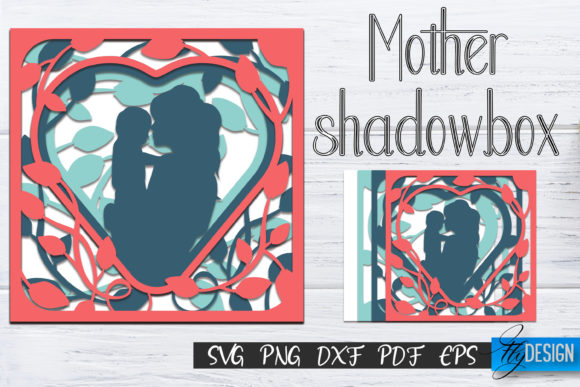
3D Easter Shadow Box Design
The 3D Easter Shadow Box is a stunning creative project that brings the spirit of Easter to life through intricate papercut designs. This unique piece combines artistry with craftsmanship, offering a visually engaging way to celebrate the season. Whether you're a hobbyist, designer, or small business owner, this shadow box provides endless opportunities for personalization and expression.
At the heart of the 3D Easter Shadow Box is its layered structure. The design consists of eight separate 3D layered files, each contributing to the depth and dimensionality of the final piece. These layers work together to create a dynamic visual effect, making the shadow box more than just a decoration—it becomes a storytelling tool.
What Makes the 3D Easter Shadow Box Unique?
Unlike traditional flat designs, the 3D Easter Shadow Box uses multiple layers to add depth and realism. Each layer is carefully crafted to align with the others, ensuring a cohesive and striking result. This design approach allows for more detailed and immersive visuals, making it ideal for those who want to elevate their craft or create something truly special.
The design includes a variety of elements commonly associated with Easter, such as bunnies, eggs, flowers, and baskets. These motifs are arranged in a way that highlights the 3D aspect, giving the illusion of movement and space. This makes the shadow box not only decorative but also a conversation starter.
Exploring Creative Possibilities
The versatility of the 3D Easter Shadow Box opens up a wide range of creative possibilities. Artists can experiment with different color schemes, textures, and materials to make each piece one-of-a-kind. For example, using metallic paints or adding glitter can give the design a more festive and eye-catching appearance.
Designers can also use the shadow box as a foundation for custom projects. By modifying the layers or combining them with other elements, they can create personalized pieces that reflect specific themes or messages. This adaptability makes the design suitable for both individual and commercial use.
For educators and parents, the 3D Easter Shadow Box can be a fun and educational activity. Children can learn about shapes, spatial relationships, and artistic techniques while creating their own versions of the design. This hands-on approach encourages creativity and problem-solving skills in a playful setting.
Practical Applications and Use Cases
The 3D Easter Shadow Box is not just a decorative item—it can serve various practical purposes. Small businesses can use it as a promotional tool, incorporating branding elements into the design to create a memorable and unique product. For instance, a bakery might create a custom shadow box featuring their logo and Easter-themed elements to attract customers during the holiday season.
Bloggers and content creators can also benefit from this design. By showcasing the creation process or sharing tips on how to assemble the shadow box, they can engage their audience and provide valuable information. This type of content can help build a loyal following and establish expertise in the creative field.
Marketers can leverage the 3D Easter Shadow Box for campaigns that focus on storytelling and emotional connection. By highlighting the craftsmanship and attention to detail, they can create a sense of authenticity and quality that resonates with consumers. This approach can be especially effective for brands that emphasize handmade or artisanal products.
How to Get Started with the 3D Easter Shadow Box
To begin working with the 3D Easter Shadow Box, you'll need access to the design files. The package typically includes a ZIP archive containing several file formats, such as AI, PDF, SVG, and EPS10. These files allow for flexibility in editing and printing, making it easy to adapt the design to different needs and preferences.
If you're new to working with SVG files, it's helpful to familiarize yourself with basic design software like Adobe Illustrator or Inkscape. These tools offer features that enable you to adjust colors, resize elements, and modify the layout of the design. Experimenting with these options can help you achieve the desired look and feel for your project.
Once you have the files, you can print them using a laser cutter, vinyl cutter, or even a home printer. The choice of material will depend on the intended use of the shadow box. For example, using cardboard or foam board can create a lightweight and cost-effective version, while thicker materials like wood or acrylic can add a more durable and professional finish.
Tips for a Successful Project
When working on the 3D Easter Shadow Box, organization is key. Keeping track of each layer and ensuring they align correctly can prevent errors and save time. It's also a good idea to test the design on a smaller scale before committing to the final version.
Consistency in color and style helps maintain a cohesive look throughout the project. Using a limited color palette or sticking to a specific theme can enhance the visual impact of the shadow box. Additionally, paying attention to details like spacing and alignment ensures that the final result is polished and professional.
Finally, don't be afraid to personalize the design. Adding unique touches, such as handwritten messages or custom illustrations, can make the shadow box more meaningful and reflective of your individual style.